Man With Van Wallington

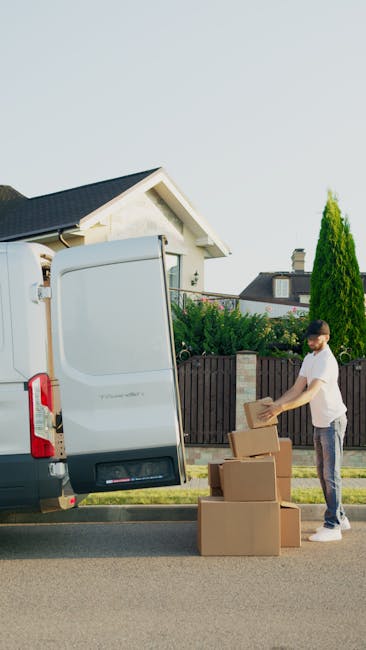
Man With Van Wallington provides a practical removals service for homes and businesses that need careful transport, loading support and straightforward moving arrangements in and around the area. The core service is ideal for customers who want a flexible van move rather than a full-scale removal operation, while still expecting organised handling, sensible planning and attention to the items being carried. It suits single items, partial loads, room contents and local relocations that need a tidy, efficient approach.
We work across a range of moving tasks, including man and van support for smaller jobs, fuller domestic moves and practical collection work where the load does not justify a larger vehicle. The emphasis is on matching the transport to the task, keeping the process simple and helping customers move items safely without overcomplicating the booking or the load on the day.
If you are comparing moving options, it helps to think about access, item size, floor levels and whether loading assistance is needed at both ends. For a clear starting point, request a quotation once you know roughly what has to move. If you only need a guide, gather a quick list of items and the locations involved. For larger plans, you can also view our home moves service alongside the rest of the available moving support.
Flexible moving support for homes and small loads
Many customers use a man with van service when a move is too involved for a car but does not call for a large removal team. That can include part-house relocations, the transport of household goods to storage, or the movement of bulky items such as furniture, appliances or boxed belongings. The value of this approach is its balance: you get practical carrying and vehicle space without paying for capacity you do not need.
Our house removals pages cover the broader domestic side of moving, while this service remains focused on manageable loads and local or regional journeys. In practice, that means careful positioning of items in the van, awareness of fragile surfaces and a sensible order to loading, so the move stays efficient from the first lift to the final placement. It is a straightforward option where organisation matters more than scale.
A useful approach is to identify which items need direct handling, which can be carried in boxes and which may need dismantling before the day. With that prepared, the move becomes easier to plan and the quotation can reflect the actual work involved. Keep the list honest and specific; it helps avoid underestimating the time needed and makes the resulting arrangement more useful for you.
What the moving service can cover

Within the moving service, customers often need more than transport alone. Loading and unloading help can be useful when items are awkward, when stairs are involved or when a property layout makes moving by hand difficult. Careful lifting matters, especially for furniture with finished surfaces, boxed electronics, mirrors or anything that needs to stay level in transit. We aim to keep the process orderly and sensible, so each item is handled with the right degree of care.
For mixed domestic loads, our furniture pick-up page is a helpful companion where a single sofa, table or cabinet needs collection and onward delivery. A van-based move can also suit customers moving items into a new property in stages, taking possessions to storage or combining several smaller journeys into one organised trip. The important thing is that the transport suits the shape of the job, rather than forcing the job to fit the vehicle.
If dismantling is required, it is best treated as part of the moving plan rather than a surprise on the day. Some furniture is easier to carry in sections, and some items are safer when shelves, legs or fixings are removed in advance. Where relevant, label parts clearly and keep fixings together. That simple preparation can make reassembly easier and reduces the risk of delays while the move is under way.
Domestic and household moves
Domestic work can range from a small flat move to a fuller household relocation where the van is used carefully and efficiently. The service is useful when customers want support with the physical side of moving but do not need a large multi-vehicle operation. It can suit tenants, homeowners, students and anyone moving selected rooms, furniture or possessions from one address to another in a more manageable way.
Our house movers and house removalists pages sit alongside this work for customers who want to compare broader domestic move options. In every case, the practical priorities remain similar: protect the load, use space well and keep the sequence of loading and unloading sensible. That way, the service supports the move rather than adding unnecessary complexity to it.
For many households, one of the best ways to prepare is to separate what is travelling immediately from what can wait. It is also useful to group breakables, soft furnishings and everyday essentials so they can be handled in the right order. A clear plan of what is going with the van, what is being stored and what will travel later makes the move more manageable and can help with a more accurate quotation.
Commercial and office moving work
Man with van support is not limited to homes. It can also help with commercial moves where a business needs desks, chairs, stock, files or equipment moved in a controlled way. For smaller offices, start-up spaces or operations with a modest amount of furniture, a van-based move can be a practical alternative to a larger relocation service. The aim is to keep business disruption down while moving items in an organised sequence.
For workplaces that need a broader plan, the commercial moves page and our office removals service are useful references. They show the kind of support available when moving workplace contents, and they help distinguish a lighter van move from more involved commercial relocation tasks. The right choice depends on the amount of equipment, the accessibility of the premises and the timing available for the move.
Office or business items often benefit from a simple loading structure: lightweight boxes first, sturdy furniture next and sensitive equipment positioned where it will not shift. If you are moving files or specialist gear, it is sensible to separate items that need immediate access from those that can be stored away until later. A well-ordered load saves time and reduces the chance of confusion once everything reaches the destination.
Packing, access and moving-day preparation
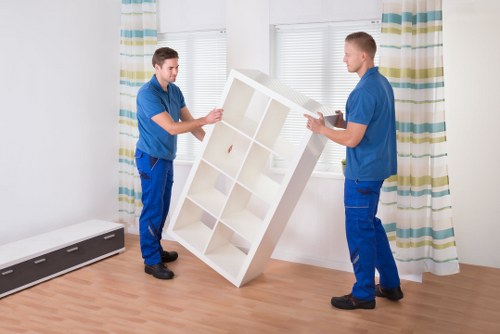
Good preparation improves almost every van move. If items are boxed, the boxes should be strong enough for their contents and not overfilled with heavy material. Fragile objects should be wrapped with care, and loose items should be secured so they do not move around during transit. Where possible, label boxes by room or priority so unloading follows a logical order. Simple planning often makes the biggest difference to how calm the move feels.
Our packing and unpacking services are relevant where customers want help with the more time-consuming side of preparing a move. Even when full packing support is not needed, it is still worth thinking about access. Narrow hallways, upper floors, restricted parking and shared entrances can all affect how the work is organised. Clear information about those points helps shape the quotation and avoids surprises during loading.
For practical planning, it is often enough to have a short checklist: what needs to travel, whether anything is fragile, whether furniture has to be taken apart and whether there are access issues at either end. Then you can ask for a quote with a clearer picture of the job. A concise list of items is usually more useful than a vague estimate, especially when the move includes mixed contents or more than one pickup point.
Collections, deliveries and van transport
A van service can also be used for collections and deliveries where a customer has bought or sold a large item and needs it transported safely. That might include a marketplace purchase, a replacement household item, a bulky parcel or a one-off furniture transfer. The benefit is direct transport with handling support, which is often more suitable than relying on a standard courier for an awkward or oversized load.
When the item is especially bulky, our moving van and moving truck pages help show the sort of vehicle-oriented support available across the wider service range. For smaller items, a more modest van arrangement may be entirely sufficient. The best option depends on dimensions, lifting weight and whether the item can be carried safely through the available entrances and exits.
Collections are easiest when measurements, access details and any special handling points are clear in advance. A table top, wardrobe or appliance may seem simple at first glance, but the route out of the pickup address matters just as much as the item itself. If stairs, tight turns or shared spaces are involved, note them early so the move can be organised without guesswork.
Pricing factors and quotation details
Like most removal work, the cost of a man with van job depends on several practical factors rather than one single rule. The size and weight of the load, the distance travelled, the time needed for loading and unloading, and the complexity of access all play a part. A move with awkward stairs or multiple stops may take more time than a straightforward single-load collection, even when the item count looks similar.
Our pricing and quotes page is the right place to start if you want to understand how moving estimates are put together. It helps to share what is moving, where it is going and whether any assistance is needed at either end. When the details are specific, the quotation can be more realistic and more useful. That is especially true for mixed jobs that combine furniture, boxes and one or two heavier pieces.
One simple way to prepare is to write down the item list in the order you would like it loaded, then note any special points such as delicate surfaces, restricted parking or a need for assembly work. If the job is flexible, say so; if the timing is fixed, say that too. A clear brief leads to a clearer price discussion, and it makes the moving plan easier to shape around the actual work.
About Wallington
Wallington is a suburban area in the London Borough of Sutton, in south London, and its identity is shaped by a mix of residential streets, local shopping routes and transport links into the wider capital. The name is associated with the River Wandle corridor and with a settlement that developed over time from a rural village into a commuter suburb. The town centre contains an everyday mix of shops and services, while the surrounding streets are largely suburban in character, with houses, schools and community facilities forming the backbone of local life. Wallington railway station links the area with Croydon and central London, which has long helped define its role as a connected outer-London community. The local landscape includes open spaces such as Beddington Park nearby, along with smaller green pockets that give the area a more spacious feel than denser parts of the city. Historic layers remain visible in the architecture and street pattern, and the area’s built environment combines older homes with later twentieth-century development. Churches, local schools and community venues contribute to the area’s everyday civic identity, while the shopping streets support regular foot traffic and a practical high-street atmosphere. Like many London suburbs, Wallington balances domestic calm with access to wider urban movement, making it distinct without being isolated from the rest of the city.
Loading, unloading and handling care

Careful handling is central to any moving job. Furniture, boxes and household equipment all need to be loaded in a way that limits movement while the vehicle is in transit. Sofas may be stood or laid according to the space available, boxes should be stacked with sensible weight distribution, and fragile items should never be buried beneath heavier goods. This is where a measured approach matters more than speed alone.
For customers who need different types of help on the same job, our removal services page is a good general reference, and the removals page shows the broader service family behind the van work. Those pages sit well alongside a man with van arrangement when the job requires both transport and some practical loading support. The key is to keep the handling style suited to the item, rather than treating every object in the same way.
Where a move includes awkward or high-value items, it is worth separating them from general contents so they can be handled with extra care. Mirrors, glass, screens and decorative pieces all deserve their own attention. If you are uncertain how best to present them for transport, note that when you enquire. A straightforward instruction such as fragile, upright, and first off can be more helpful than a long explanation.
Related moving options and service choices
Sometimes customers need to compare the van service with other moving options before deciding what suits the job best. A small domestic move may only require a single vehicle and a couple of hands, whereas a larger property may need a wider service package. For some jobs, especially those with a mixture of household and commercial contents, choosing the right balance of transport and labour is the main decision rather than the vehicle alone.
Where the scope is broader, the removal company and removal companies pages can help place the service in context, while removal van and removals van are useful if you are comparing the vehicle side of the arrangement. If you need to move items that are not household furniture, the service may still be suitable, provided the load is safe, legal and manageable within the agreed plan.
It is often sensible to choose the most direct version of the service that still covers the job properly. That may mean a single trip, a partial move or a collection run that includes help with carrying. If you are ready to compare options, please ask for a quotation and set out the key details in one message. A clear brief is usually the quickest way to match the right service to the right move.
Final planning and contact

Before arranging the move, it can help to think about the order in which items will leave the property, the amount of disassembly needed and whether any parking or access notes should be shared in advance. Those practical details matter because they affect timing, lifting and space in the van. The more precisely the job is described, the easier it is to prepare a sensible moving plan and a quotation that reflects the work properly.
For broader background on the business side of the service, our about us page and contact us page are the most direct next steps, while insurance and safety and health and safety policy provide useful reassurance about how the work is approached. These pages help customers see how the service sits within a practical and responsible moving operation, especially when valuables, awkward items or mixed loads are involved.
If you would like to move ahead, the best next step is simple: send your details and request a quotation. Keep it brief, include the addresses or collection points involved and mention any access issues. That gives a sound basis for planning the move and deciding whether a man with van arrangement is the right fit for the job.