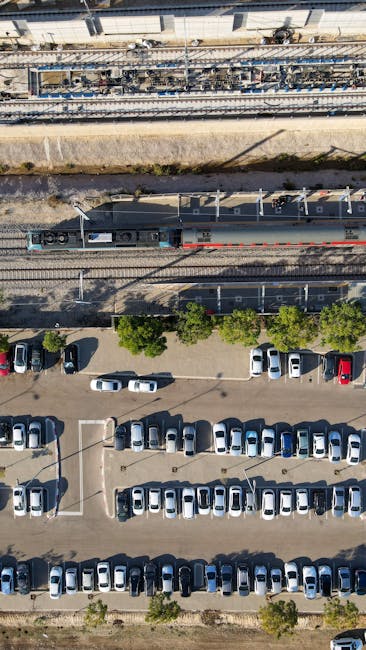
Moving near Wallington Station: timing, parking, access
Posted on 14/05/2026
Moving close to a railway station can be brilliant for everyday life. You get better transport links, quicker commutes, and a place that often feels well connected from day one. But there is a catch: station-adjacent moves can be fiddly. With moving near Wallington Station, timing, parking, access all need to be thought through together, because the wrong slot, a blocked kerb, or a narrow entrance can slow everything down before the first box is even inside.
That is the real challenge here. It is not just about getting from one property to another. It is about making sure the van can stop safely, the path to the door stays clear, and the move fits around local traffic patterns, neighbours, and train-station activity. Get those details right and the day feels calmer. Get them wrong and, well, you can end up carrying a wardrobe a lot further than you planned.
This guide breaks the process into practical steps: how to choose the right time, what parking and access checks to make, how to reduce delays, and when to bring in proper help. It also links out to useful local resources, including removals in Wallington, man with a van support in Wallington, and flat removals tailored to tighter access if your move is part of a more complex local move.
Why Moving near Wallington Station: timing, parking, access Matters
Station-side moves are rarely difficult because of distance. They are difficult because of logistics. Near Wallington Station, you are likely dealing with busier streets, tighter stopping points, more foot traffic, and the usual pressure that comes with a location people actually use throughout the day. That means your move can be disrupted by something as ordinary as a delivery van, a school run, or a commuter car parked where you hoped to unload.
Timing matters because the best moving window is not always the earliest one. Sometimes the quietest street at 7am is still awkward if your lift access is not ready, the keys are not in hand, or building management only allows entry later. Other times, a mid-morning start works better because it gives everyone time to get organised and avoids the rush of peak travel. Truth be told, the "ideal" time is the one that fits the building, the road, and your team - not just the clock.
Parking matters because a removal vehicle needs room to stop safely, ideally without causing a bottleneck. If the van is too far away, carrying time increases, fatigue sets in, and fragile items are exposed for longer. Access matters because every extra stair, tight landing, narrow hallway, or awkward front step changes the way the move should be planned. In a station area, those small details can become the biggest ones. One narrow gate can slow down the whole day.
There is also a neighbour-relations angle, which people sometimes forget. A move near a station can already mean more noise than a quiet suburban street. If you plan badly, you add extra disruption: blocking pavements, leaving doors open too long, or stacking boxes on the kerb. If you plan well, the move feels respectful and efficient. That counts for a lot.
For background reading that complements this topic, you may also find our guides on making a house move less stressful and packing more efficiently helpful. They fit neatly with the practical planning needed for station-area relocations.
How Moving near Wallington Station: timing, parking, access Works
The process is basically a three-part puzzle. First, you choose a move time that suits the property, road conditions, and building access. Second, you work out where the van can stop, load, or wait. Third, you map the route from the vehicle to the front door, lift, stairwell, or loading point. Simple on paper. Less simple on a Thursday morning with boxes on the pavement and someone asking where the lamp has gone.
Start with timing. Think about how long it will take to get keys, unlock any communal doors, and check in with the building or landlord if needed. If the move involves a flat, a shared entrance, or a managed block, access times may be limited. A lot of people only realise this on moving day. Not ideal. You want to know in advance whether lifts need booking, whether protective pads are needed, and whether the building expects notice before a move.
Next comes parking. The van may need to stay close enough for efficient loading but not so close that it blocks residents, buses, or emergency access. If you are not sure what the street can handle, stand outside at roughly the same time of day as your move and watch what happens. Who stops where? How busy is it? Is the corner tight? Is the road one-way? These observations are boring for about ten seconds, then they become gold.
Finally, access. Access is not just "can we get in?" It includes whether a sofa fits through the hall, whether a mattress needs turning on edge, whether the front step is too steep for a trolley, and whether there is a clear route from pavement to property. If any of these are uncertain, plan for extra hands or specialist equipment. A bit of preparation can save a lot of heavy lifting later. If your move includes awkward or bulky furniture, our page on furniture removals in Wallington explains how larger items are typically handled.
Key Benefits and Practical Advantages
When the timing, parking, and access are properly coordinated, the benefits are very real. The move takes less time, there is less physical strain, and the risk of damage falls away. That sounds obvious, but in practice it is the difference between a move that feels organised and one that feels like a scramble.
- Faster unloading: Shorter carrying distances and clear entry points mean more boxes moved per hour.
- Lower damage risk: Less awkward lifting and fewer "just squeeze it through" moments.
- Better parking control: A planned stop reduces the chance of double-parking stress or last-minute moving around.
- Less disruption for others: Neighbours, pedestrians, and other road users experience less inconvenience.
- Safer handling: The team can focus on careful lifting instead of rushing.
There is another practical benefit people often overlook: mental load. Once parking and access are sorted, the day feels less chaotic. You are not trying to solve ten things at once while holding a box of crockery. That calm matters, especially if you are moving with children, working to a deadline, or dealing with a tight completion schedule.
For flat moves in particular, a structured approach is often the difference-maker. If your new place is near the station and sits in a block with shared access, our flat moving service for Wallington properties may be a better fit than a general one-size-fits-all arrangement.
Who This Is For and When It Makes Sense
This topic matters to a wider group of people than you might expect. It is not only for full house moves. If you are shifting a few rooms' worth of belongings, moving into a flat near the station, or relocating on a same-day basis, the same timing and access issues still apply.
It makes sense for:
- homeowners moving into or out of streets close to Wallington Station
- tenants taking on a flat with shared entry or limited parking
- students who need a straightforward, low-fuss move
- office teams relocating small workspaces or equipment
- anyone with bulky furniture, tight stairways, or limited loading space
If you are a student, the pressure is often more about timing than volume. A short window between tenancy dates, limited possessions, and a need to keep costs sensible can make a small move feel surprisingly complex. Our student removals service in Wallington is designed with that sort of practical reality in mind.
Office and business moves near transport hubs can be tricky too. Staff access, deliveries, customer traffic, and equipment handling all need coordination. In those cases, looking at office removals in Wallington is a sensible next step.
Step-by-Step Guidance
Here is a grounded way to plan the move so it does not spiral into last-minute improvisation.
- Confirm the property access details. Check entry codes, key collection times, lift arrangements, and any restrictions on moving hours.
- Assess parking on both sides of the move. Look at the old address and the new one. Do not assume the same vehicle plan will work for both.
- Measure the awkward items. Sofas, wardrobes, mattresses, large mirrors, and pianos need special attention. If in doubt, measure twice and move once.
- Decide whether the move needs specialist handling. A heavy or fragile item can change the whole schedule. Our article on heavy lifting techniques and independence gives a useful sense of the effort involved.
- Pack in the right order. Keep essentials separate and label boxes clearly. That saves time when the van door opens and everyone is looking for the kettle. A very British priority, honestly.
- Protect floors and walls. In narrow access routes, even a small scrape becomes annoying fast.
- Plan for traffic and timing buffers. Give yourself slack for delays, especially around station-linked streets where movement can be uneven.
- Have a fallback plan. If parking is taken, or a lift is out of service, know what happens next.
A good practical move often begins the day before. Walk the route from front door to van. Notice the low-hanging branches, the tight turn, the chipped step, the awkward gate latch. Small things? Yes. But they matter. And they usually matter more than people expect.
If you need help getting the packing side in order, the guide on packing well for a house move is worth a look. It pairs nicely with the logistical side of this article.
Expert Tips for Better Results
One of the simplest improvements is to schedule the move for a time when the street is quieter, but not so early that building access becomes awkward. Around station areas, very early starts can be technically peaceful yet practically annoying if someone needs to be contacted for entry or if neighbours are still half-asleep and not expecting the noise. A mid-morning slot can be the sweet spot. Not always, but often.
Another smart move is to reduce the amount of furniture being handled in one go. Fewer items means fewer bottlenecks. If you have pieces you do not need immediately, using storage in Wallington can take pressure off the moving day and make access easier.
For bulky furniture, strip down what you can safely remove: cushions, legs, shelves, detachable handles. This is especially useful for sofas and beds. If you need help keeping upholstered pieces in good condition during a longer pause, our article on sofa storage and preservation has practical advice. And if you are moving a bed, it is well worth reading the bed and mattress moving handbook before you start dismantling anything at 8pm with a screwdriver.
For fragile or high-value items, use a direct route and avoid unnecessary re-handling. A piano, for example, should not be treated like a box of books. It needs the right method, the right equipment, and the right people. If that is part of your move, specialist piano removals in Wallington is a better fit than improvising with straps and hope.
One more tip, and this one saves more arguments than you would think: keep refreshments simple and out of the way. Tea, water, maybe a few biscuits. That is enough. A cluttered kitchen during a move is how chaos starts. I mean it. A half-open biscuit tin on a windowsill somehow becomes part of the logistical problem.
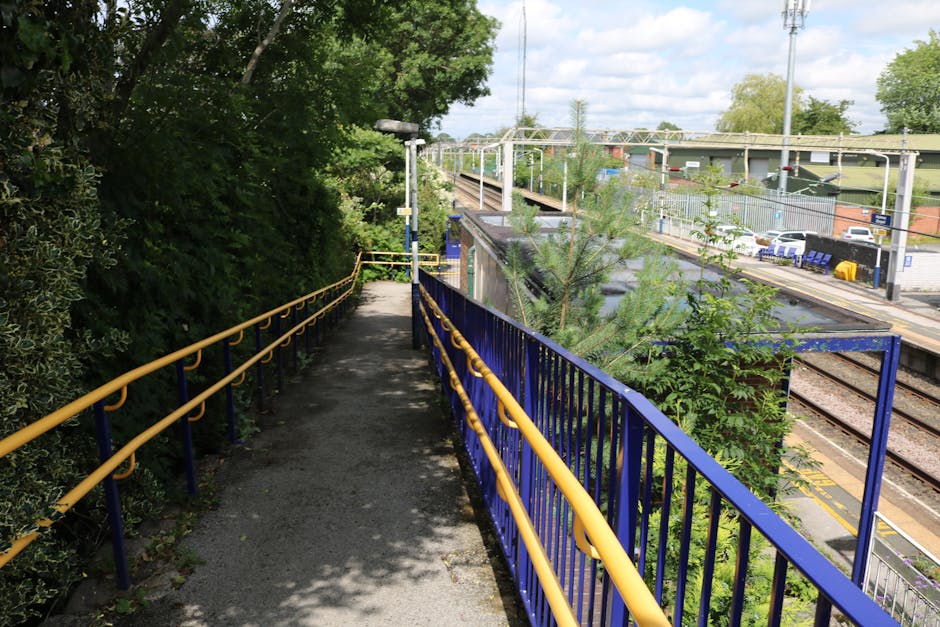
Common Mistakes to Avoid
Most moving problems near stations are predictable. That is the annoying part. The good news is that if they are predictable, they are avoidable.
- Assuming parking will sort itself out. It rarely does.
- Ignoring building access rules. Lifts, loading bays, and entry permissions often matter more than the road outside.
- Starting too late. A tight schedule increases pressure and makes every delay feel bigger than it is.
- Underestimating walking distance. A van parked just a little way off can add surprising time and effort.
- Not measuring large items. A sofa that fits the room may still not fit the staircase.
- Leaving packing until the last minute. That tends to turn the best-laid plan into a pile of mismatched bags and loose cables.
There is also a subtle mistake that people make near station properties: they focus on speed but ignore sequence. Loading the van quickly is not the same as loading it well. If the first things on are the last things needed at the destination, you create friction for no real gain.
Before moving day, it helps to do a proper tidy and clear-out. Our guide on decluttering and downsizing before a move can help reduce the volume you are dealing with, which is especially useful where parking or access is tight.
Tools, Resources and Recommendations
You do not need a shed full of specialist kit, but a few well-chosen tools make a real difference. For most moves near Wallington Station, these are the basics worth having ready:
- strong cardboard boxes in mixed sizes
- packing tape and tape dispenser
- marker pens and labels
- bubble wrap or paper for fragile items
- blankets or furniture covers
- gloves with grip
- a dolly or trolley if the route allows it
- door stops to keep routes open while carrying items
For an organised approach to materials, our packing boxes and supplies page is a useful place to start. It is often the simplest way to avoid last-minute box-hunting the night before a move.
If you are weighing up support options, it is also sensible to compare service levels rather than simply choosing the first available vehicle. A short move with only a few items might suit a lighter service, while larger households or flats with stair access usually benefit from more hands-on help. Our services overview is a good overview if you are still deciding.
And if a same-day situation crops up - which, lets face it, does happen - a fast-response option such as same-day removals in Wallington may be the practical answer rather than a drawn-out reschedule.
Law, Compliance, Standards, or Best Practice
For moves near a station, the legal and best-practice side is mostly about safety, courtesy, and avoiding obstruction. Local parking rules can vary, and it is wise not to assume that a quick stop is automatically fine just because the van is only there for a few minutes. If you need reserved space or special stopping arrangements, check in advance with the relevant property manager or local authority route rather than relying on guesswork.
It is also sensible to follow accepted manual-handling practice. That means not trying to carry items that are too heavy or awkward for one person, using the right lifting technique, and reducing the need for twisted carrying wherever possible. The health and safety side is not red tape for its own sake; it is what keeps a moving day from turning into a painful one.
If you are using a professional service, look for clear communication on insurance, handling practices, and what happens if access is more difficult than expected. Our pages on health and safety policy and insurance and safety explain the kind of standards you should expect. For broader trust and operating information, about us is also useful.
If your move includes items that may be sensitive, valuable, or difficult to manoeuvre, it is better to be honest about that early. A good removal plan is built on clear information, not optimism. That sounds a bit stern, maybe, but it saves everyone time.
Options, Methods, or Comparison Table
If you are deciding how to approach the move, it helps to compare the main options side by side. The right choice depends on property type, item volume, and how tight the access is around the station area.
| Method | Best for | Strengths | Limitations |
|---|---|---|---|
| Self-move | Very small loads, flexible schedules | Low direct cost, total control | More lifting, more time, higher stress if parking is tight |
| Man and van | Small to medium moves, mixed access | Practical, adaptable, useful for station-area parking constraints | May still need good planning and clear access details |
| Full removal service | Larger homes, awkward furniture, multiple rooms | More support, better handling of complex logistics | Usually more coordination required, especially around timings |
| Storage-assisted move | Staged moves, delayed completion, downsizing | Reduces day-of pressure, helps when access is limited | Needs extra planning and an additional handover step |
For many station-area moves, the middle option works best: enough support to handle the access issues, but not so much complexity that the job becomes overengineered. If you are still comparing routes, our man and van service in Wallington is worth considering alongside removal van options for different load sizes.
Case Study or Real-World Example
Here is a typical scenario. A couple moving into a first-floor flat near Wallington Station has a sofa, a bed, several boxes, and a few awkward items like a desk chair and a mirror. The street is narrow, parking is patchy by late morning, and the building has a shared entrance with a small internal stairwell. On paper, it looks like a straightforward one-van move. In reality, it needs a bit of planning.
They check access the week before. They find out the lift is not available, so everything will need to be carried upstairs manually. That changes the plan straight away. They move the heaviest items first, keep the van as close as they can without blocking the road, and split the move into two runs rather than trying to force everything through at once. It takes longer than a perfectly open driveway move, of course, but it stays controlled. No drama. No wall scuffs. No one is sweating over a mattress at the doorway wondering if it will ever bend again.
They also pre-packed essentials separately. Kettle, mugs, toiletries, charger, bedding. That meant the first evening in the new flat felt settled rather than chaotic. That is one of the small wins people remember. Not the boxes themselves, but the moment the lights come on, the kettle boils, and the room stops feeling like a job list.
In the same sort of move, a cleaner or decluttered handover can make a surprising difference too. If you want to streamline the property before leaving, our article on cleaning a house before relocation is a strong companion read.
Practical Checklist
Use this simple checklist a few days before moving day. It is not fancy, but it works.
- Confirm key collection and access times
- Check whether the building has a lift booking system
- Review parking at both addresses
- Measure any large or awkward items
- Identify the safest route from van to front door
- Prepare labels for boxes and essential bags
- Protect floors, corners, and door frames where possible
- Separate valuables and important documents
- Plan for traffic delays and extra walking distance
- Keep contact details for the mover and property contact handy
Quick expert summary: if you are moving near Wallington Station, the best results usually come from planning timing first, parking second, and access third - but checking all three before moving day is what really prevents stress. Small details become big details very quickly. That is just how it goes.
Get a free quote today and see how much you can save.
Conclusion
Moving near Wallington Station is absolutely manageable, but it rewards careful planning. The closer you are to a busy transport hub, the more those "small" logistics matter: when you arrive, where the van can stop, how far things must be carried, and whether the building layout makes sense for the furniture you own.
If you take the time to think through timing, parking, and access together, the move becomes much easier to control. You protect your belongings, reduce stress, and avoid the last-minute scramble that nobody enjoys. And if you need help, choose support that matches the property, the load, and the route - not just the postcode.
To be fair, a well-planned move near the station can feel surprisingly smooth. Not perfect, maybe. But calm, organised, and entirely doable. That is the goal, and it is a good one.