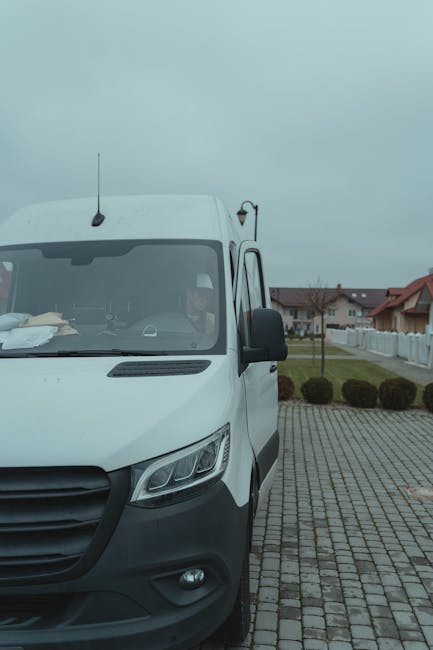
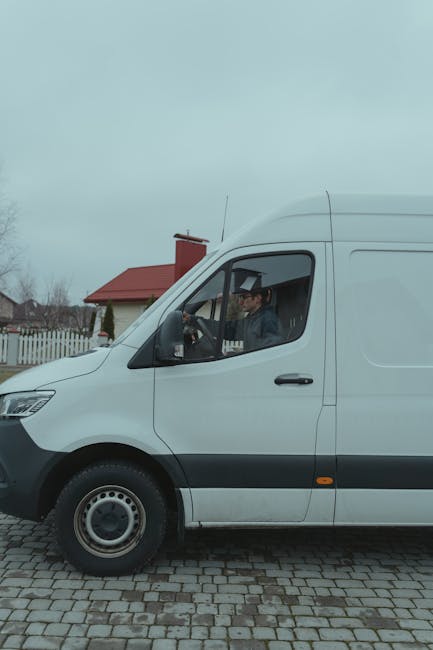
SM6 Man with Van Guide for Narrow Wallington Roads
If you are trying to move in SM6, you probably already know the problem: the roads look simple on a map, but once a van arrives, the real challenge begins. Tight turns, parked cars, awkward kerbs, and short stretches of single-file traffic can turn a straightforward job into a very careful one. This SM6 man with van guide for narrow Wallington roads is here to make that easier. It explains how local moves work, what to plan for, and how to avoid the kind of stress that makes moving day feel longer than it should.
Wallington has plenty of residential streets where a smaller vehicle, good timing, and a sensible loading plan matter more than brute force. Truth be told, that is often where a man and van service shines. It is flexible, practical, and far better suited to awkward access than a one-size-fits-all moving approach. The aim here is simple: help you move with fewer surprises and a lot less squeezing of mirrors past brick walls.
Contents
- Why narrow-road moving in SM6 matters
- How a man with van service works in Wallington
- Key benefits and practical advantages
- Who this is for and when it makes sense
- Step-by-step guidance
- Expert tips for better results
- Common mistakes to avoid
- Tools, resources and recommendations
- Law, compliance, standards and best practice
- Options, methods and comparison table
- Case study or real-world example
- Practical checklist
- Conclusion
- Frequently asked questions
Why SM6 Man with Van Guide for Narrow Wallington Roads Matters
Narrow roads change everything. A move that would be easy on a wider street can become awkward in Wallington if there is limited passing space, cars parked on both sides, or a bend that hides oncoming traffic until the last second. For that reason, a local moving plan is not just about transport. It is about access, timing, vehicle choice, and being realistic about what can be done safely.
In SM6, many household moves are not huge-scale removals. They are often one-bedroom flats, studio moves, student transport, furniture pick-ups, or small family relocations where a larger removal lorry would be overkill. A smaller moving van, handled by someone used to local streets, can save time and reduce the chance of blocked access. That matters to your neighbours too, especially on tighter roads where one badly parked van can make everybody sigh a bit louder than usual.
There is also the practical reality of loading and unloading. A short walk from van to front door is ideal, but on narrow streets you may need to park slightly away from the property to avoid obstructing traffic. That means the service needs to be planned around carry distance, heavy items, and the order in which everything is loaded. If you do not plan for that, the job can take longer and feel more complicated than it should.
Expert summary: Narrow-road moves are won or lost before the van even arrives. The right vehicle, the right timing, and a sensible loading plan usually matter more than speed. Get those three things right, and the rest becomes much calmer.
If you want to understand the broader service options behind this kind of move, it can help to look at man with van services, man and van removals, or the wider removal services available for local and short-distance moves.
How SM6 Man with Van Guide for Narrow Wallington Roads Works
A good man and van move in Wallington starts with an access check. Not a dramatic one, just a practical conversation about the street, the property, the number of steps, and whether the van can safely stop nearby. The more honest you are here, the better the plan will be. If the street is tight enough that two cars pass with care, the job should be planned with that in mind from the beginning.
Typically, the process looks like this:
- Share the property details. Mention the postcode, road width, parking limitations, floor level, and whether large items need dismantling.
- Match the vehicle to the route. A smaller removal van or compact moving van may be better than a larger truck on a narrow street.
- Plan the loading order. Bulky items, fragile boxes, and awkward furniture should be stacked in a way that protects both the goods and the van interior.
- Choose a practical arrival time. Avoiding school run traffic, bin collection points, or peak residential parking pressure can make a real difference.
- Load with access in mind. If the van cannot stop right outside, the crew should know how far they will need to carry items and whether a second parking point is needed.
That sounds simple, and it mostly is. But simple is not the same as careless. In narrow roads, a few minutes of planning can save a lot of back-and-forth. You do not want the person loading your wardrobe to be wondering, mid-lift, whether the van is now half-blocking someone's driveway. Been there, seen the look.
The best local operators also think in terms of manoeuvrability, not just capacity. A smaller van may require one more trip, yes, but it can be the safer, faster choice if the road layout is tight. For that reason, many customers comparing moving van options will find that flexibility matters more than size alone. If you are moving furniture rather than an entire house, a compact vehicle is often the smarter fit.
Key Benefits and Practical Advantages
The strongest benefit of a man with van service in narrow parts of Wallington is control. You are not forcing a large vehicle into a street that clearly was not designed for easy turning. Instead, you are using a service that can adapt to the road, the property, and the volume of items. That makes the whole move feel less like a logistical puzzle and more like a well-managed job.
- Better access on tight streets: Smaller vehicles are easier to park, reverse, and reposition.
- Less disruption: A compact load plan can reduce blocking time on residential roads.
- Lower stress for fragile items: Fewer awkward manoeuvres often means less handling risk.
- Flexible for small-to-medium moves: Ideal for flats, partial house moves, and one-off furniture transport.
- Local knowledge helps: A driver who understands SM6 roads can often choose a smarter arrival and departure route.
There is another benefit people forget: confidence. If you have ever watched a large vehicle inch down a narrow road while everyone stands waiting with folded arms, you will know why that matters. A smaller, properly planned move gives you a bit of breathing room. And honestly, moving day could use more of that.
For customers looking at household relocation options, services such as home moves, house removals, or a more hands-on house movers approach can be matched to the scale of the move. For smaller or mixed loads, the man and van model is usually the neatest fit.
Who This Is For and When It Makes Sense
This guide is especially useful if you live or move in an area where road space is limited and parking is not exactly generous. SM6 includes plenty of homes, flats, terraces, and side streets where a careful loading plan is worth its weight in boxes. If your move includes furniture, packed belongings, or a few bulky items that you cannot sensibly move in a car, the service makes immediate sense.
It is a strong option for:
- people moving from a flat with narrow access or stairs
- homeowners downsizing and taking only part of their furniture
- tenants relocating between local addresses
- students or sharers moving a moderate amount of belongings
- small business owners shifting stock, office furniture, or equipment
- customers needing a quick furniture pick-up or one-off transport job
If you are moving a full house with multiple large appliances, several bedrooms of furniture, or a long list of boxed contents, you may need something larger, or a combined approach. In that situation, comparing a smaller van with broader removals options is wise. There is no trophy for forcing the wrong vehicle into the wrong street.
Commercial customers can also benefit. Narrow access is not just a residential problem. Offices, studios, and shop storage spaces can be just as fiddly, especially when deliveries have to be timed around customers or neighbours. If that is your situation, commercial moves and office removals may be more relevant than a standard domestic move.
Step-by-Step Guidance
If you want a smoother move in a narrow Wallington road, keep the process straightforward. No need to overcomplicate it. Start with the access facts, then work outward from there.
- Measure the practical access. Check whether a van can stop close enough to the property without obstructing traffic or blocking a driveway.
- List the items by size. Note anything bulky, fragile, heavy, or awkwardly shaped. Wardrobes, mattresses, sofas, desk frames, and mirrors deserve special attention.
- Decide what needs dismantling. Flat-pack furniture may move easily, but assembled pieces often need at least partial disassembly.
- Pack in a loading-friendly order. Boxes first, then medium items, then furniture, unless fragile items need to travel in a specific position.
- Confirm parking and timing. A fifteen-minute delay at the wrong moment can ripple through the whole day.
- Protect entry points and floors. Door frames, hallways, and shared stairwells can take a beating if you are not careful.
- Keep the essentials separate. Documents, chargers, keys, medication, and a kettle if you are the practical type should not be buried under a pile of blankets.
A tiny detail many people miss: tell the mover where the awkward item actually needs to go, not just where it starts. A sofa going to a second-floor back room is very different from a sofa going into a front room off the hallway. That small difference affects carry route, turning space, and how the item is handled.
If packing feels like the bit that always drags, a little support can help. Services such as packing and unpacking services can save time and reduce damage, especially when you are trying to keep a narrow hallway clear while the van is waiting outside.
Expert Tips for Better Results
After enough local moves, patterns emerge. The same issues show up again and again, and the fixes are usually quite simple.
- Book earlier than you think. Narrow-road jobs can require a more careful scheduling window, so do not leave it to the last minute.
- Be honest about awkward access. If the road is tight, say so. If there is a long carry, say so. It helps everyone.
- Use protective wrapping on corners and delicate finishes. A scratched chest of drawers is one of those annoyances that stays with you all day.
- Keep neighbours in the loop if needed. A quick heads-up can prevent frustrated door knocking or blocked-driveway complaints.
- Think about reverse parking space. It is not glamorous, but it matters when the road is narrow and you need a clean exit.
- Split your load sensibly. If one item is too bulky or too heavy for a solo lift, it is better to plan around it than pretend otherwise.
One more thing, and this is very real-world: if the street is tight enough that even a van pull-in is awkward, the crew may need to work like careful parcel handlers rather than fast movers. That is not a problem. It is just the street. People sometimes expect moving to be dramatic, but in practice, a calm, tidy, slightly slower approach is usually better. Much better.
If you are comparing providers, looking at a general man with van removal service alongside man with a van and movers options can help you judge what level of help you actually need. More help is not always better. The right help is better.
Common Mistakes to Avoid
Most moving headaches in narrow roads come from a handful of avoidable mistakes. None of them are exotic. They are the usual suspects: optimism, assumptions, and not enough planning.
- Choosing a van that is too large for the road. Bigger is not automatically better if the street is tight.
- Underestimating carry distance. A short-looking walk can feel much longer when you are carrying drawers down steps.
- Forgetting shared access rules. Flats, managed blocks, and terraced streets can have their own practical limits.
- Packing last-minute loose items. Loose lamps, cables, and tools become awkward at the worst possible moment.
- Not checking what the mover can reasonably transport. Some items may need special handling or a different vehicle setup.
A common one is assuming the road will be clear because it was clear at 9am yesterday. It never quite works that way. Bin lorries, school traffic, delivery vans, and parked cars have a habit of appearing exactly when you do not want them. That is just life, I suppose.
Another mistake is assuming every move needs the same level of service. A few items from a flat are not the same as a full family relocation. If your job is more involved, you may want to compare house removalists or broader removal company support rather than trying to shoehorn everything into a small-job setup.
Tools, Resources and Recommendations
You do not need a mountain of equipment to move well. What you do need is a few sensible basics and a realistic plan. The right tools make narrow-road moving safer and cleaner, and they reduce the chance of damage to both your things and the property.
- Sturdy boxes: Use boxes that will hold shape when carried through tight hallways.
- Furniture blankets and wrap: Helpful for door frames, polished surfaces, and awkward corners.
- Straps and ties: Useful for securing loads so they do not shift on short turns or stop-start streets.
- Basic labels: Mark boxes by room and priority. It saves a lot of time later.
- Trolley or sack truck: Good for heavier items if the route from van to door allows it safely.
In service terms, it helps to think about what the job actually needs. A straightforward small move may be covered by a compact vehicle and a single helper. A slightly larger job might call for a bigger removal van or even a broader removal truck hire approach if access and payload allow it. And if you are moving individual items only, a focused furniture pick-up can be the most efficient option of all.
For readers who want to budget properly, it is worth checking pricing and quotes early. Transparent pricing matters more when access is tricky, because time, carry distance, and parking constraints can all affect the overall job shape. Nobody enjoys nasty surprises at the end of a moving day, not even a little one.
Law, Compliance, Standards and Best Practice
Moving in tight residential streets is mostly about practical best practice, but there are still a few standards and responsibilities worth keeping in mind. You should always avoid obstructing traffic, blocking driveways, or creating unsafe loading conditions. That is common sense, but it is also part of behaving responsibly in a neighbourhood.
For operators, the basics usually include suitable vehicle condition, sensible load restraint, insurance awareness, and safe lifting practice. For customers, the main duty is to give accurate access information and not assume that a van can simply stop anywhere for as long as needed. In busy or narrow streets, that assumption can create tension fast.
Good moving practice also means respecting shared access areas, protecting communal floors where relevant, and taking care around stairs, thresholds, and entrances. If a provider takes safety seriously, they should be able to explain how they handle the move and what they expect from you. That is one reason pages like insurance and safety and health and safety policy matter. They show the sort of standards customers should ask about, even if the move itself is small.
Payment, privacy, and terms are part of the picture too. Before booking any service, it is sensible to check how payment works, how details are handled, and what the booking conditions cover. If you prefer to understand those pieces first, the relevant pages on payment and security, privacy policy, and terms and conditions are the sensible places to look.
Options, Methods or Comparison Table
Different move types suit different access conditions. Here is a practical comparison to help you decide what fits a narrow Wallington road best.
| Option | Best for | Strengths | Potential downside |
|---|---|---|---|
| Man with van | Small to medium local moves, furniture, flats | Flexible, compact, easier on narrow streets | May require more than one trip for bigger loads |
| Removal van | Moderate household loads with tighter access | Good balance of space and manoeuvrability | Still needs careful parking planning |
| Removal truck hire | Larger jobs where access is not too restricted | Higher capacity, efficient for bigger loads | Can be awkward on very narrow roads |
| Full removals service | Whole-house moves, heavier packing needs | More hands, more structure, less lifting for you | May be more than needed for a small local move |
In plain English: if the road is tight, start small and sensible. If the load is big, scale up only when the access allows it. That is usually the cleanest way to avoid stress.
Case Study or Real-World Example
Picture a typical local move in SM6. A tenant is leaving a first-floor flat on a side street with parked cars on both sides. The property has one narrow staircase, a shared entrance, and just enough room outside for a short stop if the timing is right. Not glamorous, but very normal.
The move includes a bed frame, mattress, two drawers, a small sofa, half a dozen boxes, and a desk. A large lorry would be unnecessary and awkward. Instead, the sensible choice is a smaller van with someone used to local access issues. The mover arrives early enough to avoid the busiest parking window, checks the route from front door to vehicle, and loads the items in an order that keeps the heavy pieces stable and the lighter boxes protected.
What makes the move work is not luck. It is that the vehicle suits the road. The client has packed properly. The stair route is clear. And everyone understands that the van may need to park a little away from the front door to avoid blocking traffic. The whole thing is done calmly, with fewer swerves and no last-minute heroics. Which, to be fair, is what most people actually want on moving day.
If that sounds like your kind of move, exploring removals near me or speaking directly to a local specialist can help you judge whether a compact van, a removal van, or a broader moving service makes the most sense.
Practical Checklist
Use this checklist before moving day. It keeps things simple.
- Confirm the exact SM6 pickup and drop-off addresses.
- Describe any narrow roads, awkward bends, or parking limits.
- Share the floor level and whether there are stairs.
- List all bulky items separately.
- Decide what needs dismantling before the van arrives.
- Pack fragile items properly and label them clearly.
- Keep essentials with you, not in the van.
- Check building access, door codes, or concierge rules if relevant.
- Make sure there is a clear contact number on the day.
- Review pricing, payment, and booking terms before confirming.
If you have managed all of that, you are already ahead of the game. Seriously. Most moving problems come from vague details and half-finished packing, not from the street itself.
Conclusion
Narrow Wallington roads do not have to make moving difficult. They just demand a more thoughtful approach. Once you match the right van to the right street, build in a little time for access, and pack with care, the whole process becomes much easier to handle. That is the real value of a local man with van service in SM6: it is adaptable, practical, and suited to the everyday reality of residential roads that were never meant for oversized vehicles.
Whether you are moving a few pieces of furniture, shifting from a flat, or planning a small local relocation, the best results come from clear information and sensible planning. No drama. No guessing. Just a move that fits the street in front of you.
Get a free quote today and see how much you can save.
And if you are still weighing up the best option, start with the move you actually need, not the one you think you should need. That small shift in thinking can make the whole day feel lighter.
Frequently Asked Questions
Is a man with van service suitable for very narrow Wallington roads?
Yes, often it is the most suitable choice. Smaller vans are easier to position, easier to turn, and less disruptive on tight residential streets. The key is to be upfront about the road width and parking limits before booking.
What should I tell the mover about access in SM6?
Give the full picture: road width, parking restrictions, steps, floor level, gate access, and whether there is a long carry from the van to the door. That detail helps the mover choose the right vehicle and plan the job properly.
Do narrow roads mean I need a smaller van?
Usually, yes. A smaller or more manoeuvrable van is often better than a larger vehicle if the street is tight. Sometimes one extra trip is better than trying to force a bigger van into a difficult space.
How far in advance should I book?
As early as you can, especially if the move is time-sensitive or access is awkward. Narrow-road moves can need more careful scheduling, so booking ahead gives you more choice and reduces last-minute pressure.
Can a man and van service handle furniture pick-ups?
Yes. It is a common use case, especially for sofas, beds, tables, and other items that are too large for a car but do not justify a full removal lorry.
What if the van cannot park right outside my home?
That is common on narrow streets. A good mover will plan for a sensible nearby stop and factor in the carry distance. As long as you mention it in advance, it usually just becomes part of the job plan.
Is this cheaper than full removals?
It can be, especially for smaller loads. But price depends on time, access, number of helpers, and the amount being moved. The most useful step is to compare quotes based on the actual job rather than on broad assumptions.
What kind of items are hardest to move on narrow roads?
Bulky wardrobes, sofas, mattresses, large desks, and anything awkward to carry through stairs or narrow halls tend to be the trickiest. These items need good planning and careful handling.
Should I dismantle furniture before moving day?
If it can be dismantled safely, usually yes. Flat-pack items and bed frames often move better when broken down. That can save time and reduce the chance of damage in tight spaces.
Do I need to worry about insurance and safety?
Yes, at least enough to ask the question. It is sensible to understand how the provider handles safety, load protection, and insurance basics before you book. That is part of choosing a reliable service.
What is the best option for a small flat move in Wallington?
Usually a man with van or a compact removal van is the best fit. It gives you enough capacity for furniture and boxes without making access problems worse than they need to be.
Can commercial moves work on narrow roads too?
They can, especially for small offices, studios, or limited stock transfers. The same access rules apply: be precise about the road, the load, and the timing. For some businesses, that is the difference between a tidy move and a messy one.
Where can I find more about the company behind these services?
You can learn more on the about us page, or review operational details such as insurance and safety and health and safety policy before booking.