Wallington High Street moving guide: tips for tight streets
Posted on 26/05/2026
Moving around Wallington High Street can feel straightforward on a map and surprisingly awkward in real life. The street is busy, the parking can be limited, and access for a removal van may be tighter than expected once you factor in loading bays, pedestrian flow, and the practical reality of carrying furniture through a compact frontage. If you are planning a move nearby, this guide to moving on Wallington High Street focuses on the small decisions that prevent big headaches.
Whether you are leaving a flat above a shop, moving into a terrace just off the High Street, or helping a student relocate with minimal fuss, the same principle applies: tight streets reward preparation. Below you will find a practical, locally informed walkthrough covering access planning, packing, parking strategy, safer lifting, and the best ways to avoid delays. Along the way, you will also find useful internal resources on Wallington removals, man and van support in Wallington, and packing and boxes for your move.
Why Wallington High Street moving guide: tips for tight streets matters
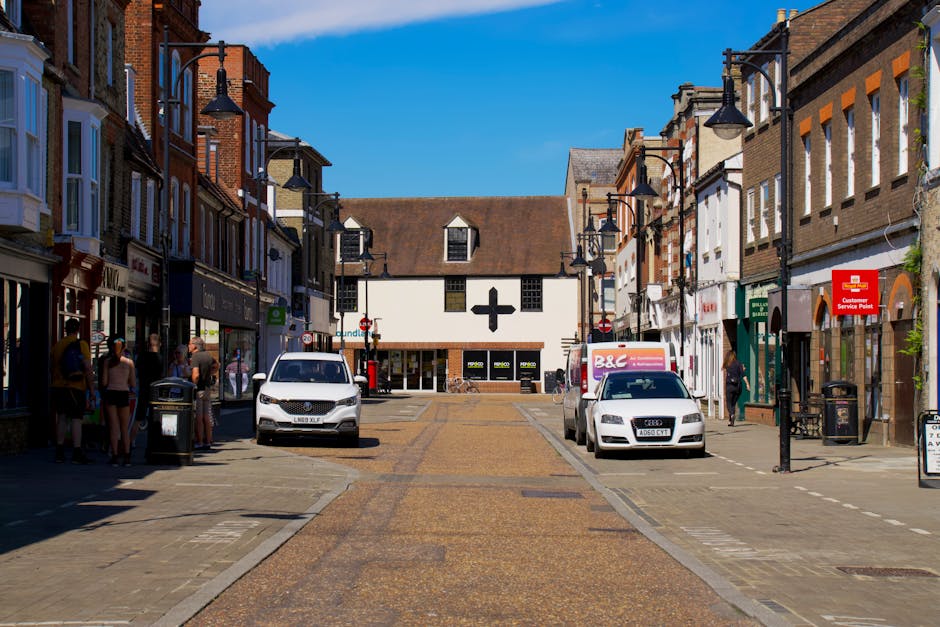
A move becomes much harder when the street itself becomes part of the problem. Wallington High Street has the kind of features that can trip up an otherwise well-organised relocation: mixed traffic, passing pedestrians, a limited amount of convenient kerb space, and properties that may sit close to the road or above busy ground-floor premises. That means you are not just moving items from one property to another. You are managing a space constraint.
In practical terms, the difference between a smooth move and a stressful one is often five or ten small decisions made before moving day. Can the van stop close enough to the entrance? Will the sofa clear the doorway without being twisted awkwardly? Is there room to stage boxes inside the property before the van arrives? These are not minor details; they determine whether the job flows or stalls.
Tight-street moves also tend to expose weak packing and poor sequencing. If boxes are not labelled clearly, the team wastes time searching for essentials. If bulky items are not dismantled in advance, a single awkward item can block the loading route. That is why planning for access matters as much as planning what to move.
If you are comparing service options, it can help to read about broader support first, such as available removal services in Wallington or the more specific flat removals in Wallington page if you are moving from an upper-floor property.
How Wallington High Street moving guide: tips for tight streets works
The basic process is simple: reduce uncertainty before the van arrives. On a narrow or busy street, the move usually works best when it is treated like a timed operation rather than a casual arrival-and-see approach.
First, the access point is checked. That includes the width of the road, the available stopping space, the location of any corner restrictions or loading areas, and whether the property entrance is easy to reach with boxes or trolleys. Next, the load is planned in a sensible order. Heavy or awkward items go first, then stacked items such as boxes, and finally fragile or essential items that need to stay accessible.
For many Wallington properties, especially flats and maisonettes, the route matters as much as the van size. A smaller vehicle can sometimes outperform a larger one simply because it can position more easily, reducing the walking distance between the door and the vehicle. That is where a well-matched service such as man with a van in Wallington can be more practical than an oversized van that cannot park sensibly.
The move also becomes easier when items are prepped properly. Disassembling a bed, removing shelves from a wardrobe, or wrapping a sofa before the team arrives can save time and reduce the risk of damage. For related planning, see the bed and mattress moving handbook and tips for protecting a sofa in storage.
Key benefits and practical advantages
When you plan a move properly for a tight street, the benefits are immediate and very visible on moving day.
- Less carrying distance: good parking and timing cut down the number of trips.
- Lower damage risk: fewer twists, lifts and sudden turns means less chance of scraped walls or broken handles.
- Better speed: clear access lets the move progress in a steady rhythm rather than in fits and starts.
- Less stress: everyone knows where items are going and what happens first.
- More flexibility: if a delay appears, you already have a plan B for parking, staging, or split loading.
There is also a quiet financial benefit. A move that is organised around access tends to waste less time. That can matter whether you are paying by the hour or simply trying to keep the day efficient. In our experience, people often focus on boxing everything and forget that access can be the biggest variable of all.
For additional cost control, it is worth reviewing pricing and quotes early, especially if your move includes upper-floor access or multiple stops.
Who this is for and when it makes sense
This guide is especially useful if any of the following sound familiar:
- You are moving from a flat or maisonette near Wallington High Street.
- Your property is on a road with tight kerb space or busy daytime traffic.
- You need to move during school runs, commuting hours, or a crowded shopping period.
- You have heavier furniture that needs careful handling through narrow entrances.
- You are coordinating a same-day or time-sensitive move and cannot afford delays.
- You are trying to protect neighbours, shopfronts, or shared common areas from disruption.
It also makes sense for students, landlords, letting agents, and anyone dealing with a fast turnaround between tenancies. If your move is urgent, a page like same-day removals in Wallington can be a useful next step.
And if you are moving household furniture rather than an entire property, you may find furniture removals in Wallington more relevant than a full house move.
Step-by-step guidance
Here is the practical sequence that works best for tight streets.
1. Walk the route before move day
Do not rely on memory or a sat nav alone. Walk from the property entrance to the nearest realistic stopping point and look at it as a mover would. Check whether there are poles, low branches, parked cars, bins, narrow gates, steps, or sharp turns. If you can, note the time of day when the street seems busiest.
2. Measure the large items, not just the rooms
Doorways and stair corners are often the real bottleneck. Measure sofas, mattresses, wardrobes, appliances and anything else that is bulky or awkward. If a bed frame needs to be split, do it ahead of time. A good reference point is this bed and mattress guide, which covers preparation that saves time later.
3. Decide what should be moved first
On a tight street, the loading order matters. Start with the items that are hardest to manoeuvre when the route is clear: wardrobes, white goods, bed frames, large mirrors, heavy tables, and sofas. Then move the stacked boxes. Essentials come last so they stay available for the end of the move or for immediate use at the new address.
4. Reduce volume before the van arrives
Less volume means less time on the kerb and fewer trips through a narrow entrance. This is the perfect moment to be honest about what you actually need. A bit of ruthless decluttering can make the whole day calmer. If you want a practical approach, have a look at decluttering and downsizing before moving house.
5. Pack for fast identification
Clear labels save effort when a van is parked a short distance away and everyone is moving briskly. Mark rooms, contents, and priorities. A box labelled "kitchen - daily essentials" is far more useful than "misc." If you want stronger packing systems, the guide on packing like a pro is worth reading.
6. Secure parking and loading arrangements early
On Wallington High Street, do not assume there will be space at the exact time you need it. Speak to neighbours where appropriate, avoid blocking entrances, and be ready with a fallback plan. Even a small change, such as moving the loading point 20 metres away, can alter the whole schedule.
7. Use the right handling method for each item
One person lifting a heavy item alone is rarely the smart option, even if it looks quicker in the moment. Safe handling is about control, not bravado. For heavier items, use the right equipment, team lifting, and careful route planning. A useful read here is heavy lifting basics for home moves.
8. Keep the finish simple
Once the van is unloaded, do a quick check of rooms, hallways, cupboards, and loft or storage areas. This final sweep is where small items often turn up. A tidy handover is much easier if you have already followed sensible preparation such as cleaning the property before relocation.
Expert tips for better results
These are the small, practical tricks that usually make the biggest difference.
- Choose the right vehicle size. Bigger is not always better if street access is tight. A compact, well-loaded van can be more efficient than a larger one that struggles to stop safely.
- Protect corners and floor edges. Cardboard, blankets, and temporary floor protection can prevent scuffs when furniture is being turned through narrow spaces.
- Pre-stage items inside the property. Keep boxes in one room near the exit rather than spread across the home. It speeds up loading and reduces collisions.
- Use soft straps and correct wrapping. This matters most for polished furniture, glass, and upholstered items.
- Plan for weather. Rain changes everything in a narrow street. Wet boxes, slippery steps, and slower handling can turn a manageable job into a messy one.
- Think in routes, not rooms. Ask: what is the straightest path from the item to the van?
For fragile or special items, use specialist support rather than improvising. Pianos are a classic example. They are heavy, awkward, and more delicate than they look. If that applies to your move, see piano removals in Wallington or the expert guide to professional piano moving.
A final small tip: if you can make the first load of the day the easiest one to place, morale goes up. That sounds almost too simple, but it works.
Common mistakes to avoid
Most tight-street moving problems are preventable. The same mistakes crop up again and again.
- Arriving with too much stuff. If you have not decluttered, the move takes longer and becomes more physically demanding.
- Ignoring parking reality. "We'll find somewhere" is not a plan when traffic is already busy.
- Leaving dismantling to the last minute. Bed frames, wardrobe doors and shelving can consume valuable time if they are tackled on the doorstep.
- Packing fragile items loosely. Breakage on a narrow street is frustrating because it is usually avoidable.
- Overfilling boxes. Heavy boxes are harder to carry through tight entrances and stairways.
- Not checking access at both addresses. The new property may be just as awkward as the old one.
Another common issue is poor sequencing. People often put the most accessible items into the van first and then wonder why the large items become awkward later. That reversal can create avoidable backtracking and extra lifting.
If storage is part of your moving plan, use it strategically rather than as an afterthought. A service such as storage in Wallington can be useful if access timing is difficult or your completion dates do not line up neatly.
Tools, resources and recommendations
You do not need a warehouse of equipment to move well on a tight street, but the right basics help a lot.
| Item | Why it helps | Best use in tight streets |
|---|---|---|
| Furniture blankets | Protects surfaces from knocks and scrapes | Wrapping larger pieces before a short carry to the van |
| Strong tape and labels | Keeps boxes secure and easy to identify | Fast room sorting during busy loading periods |
| Straps | Helps stabilise loads and reduce movement | Useful when the van needs to be packed efficiently |
| Dollies or sack trucks | Reduces manual carrying where practical | Helpful for heavier boxes and white goods on level routes |
| Floor protection | Protects entrances and hallways | Good for flats, shared buildings and narrow internal routes |
For practical packing support, you may also find packing and boxes in Wallington useful. If your move involves a full property rather than a few items, house removals in Wallington is the more suitable route.
And if you want a broader overview of how a well-run move should feel from start to finish, this guide on making a house move less stressful is a strong companion read.
Law, compliance, standards, or best practice
For most residential moves, the key issue is not a complex legal process; it is sensible compliance and good neighbourly practice. On busy streets, you should avoid unsafe parking, obstructing access, or creating unnecessary hazards for pedestrians and drivers. If any loading point touches a public highway or is likely to affect traffic flow, the safest approach is to plan carefully in line with local expectations and the property's access conditions.
As a general rule, movers and customers should aim to:
- Keep walkways clear where possible.
- Avoid leaving items where they could obstruct public access.
- Use safe lifting methods and suitable equipment.
- Protect common areas, stairs and entrances from damage.
- Check insurance and service terms before heavy or high-risk items are moved.
It is also sensible to work with a provider that is transparent about safety and operational standards. You can review insurance and safety information, read the health and safety policy, and check the company background on the about us page. Those pages are often boring in the best possible way: they help you feel confident that the basics are being handled properly.
If your move involves business stock, office equipment, or shared premises, the standards become even more important. In that case, office removals in Wallington may be more appropriate than a standard domestic move.
Options, methods, or comparison table
Different moving approaches suit different access conditions. Here is a simple comparison to help you choose.
| Method | Best for | Strengths | Possible drawback |
|---|---|---|---|
| Full removals service | Large households or complex moves | More hands, coordinated loading, better handling of awkward furniture | Can be more than you need for a very small move |
| Man and van | Flats, smaller homes, short-distance moves | Flexible, practical, often ideal for tight streets | May require you to do more prep in advance |
| Self-move | Very small loads and budget-led moves | Maximum control over timing | Higher personal effort and greater risk if handling is poor |
| Split move with storage | Moves with timing gaps or access constraints | Useful when dates do not align neatly | Requires extra coordination |
If you are still deciding, the most useful question is not "What is cheapest?" but "What is least likely to cause delays on this street?" In tight-access areas, that question usually leads to a better choice.
Case study or real-world example
Consider a typical Wallington scenario: a two-bedroom flat above a shop, a narrow stairwell, limited on-street stopping space, and a move scheduled for a weekday morning. The first instinct is often to book a van and hope for the best. That usually leads to parked cars, slow loading, and a lot of extra carrying.
A better plan would look like this:
- The heaviest items are dismantled the night before.
- Boxes are grouped in one room near the exit.
- Parking is checked for the least disruptive stopping point.
- Fragile items are wrapped and labelled clearly.
- The mover arrives with the right size vehicle and a sensible loading order.
The result is not dramatic, and that is the point. The move feels uneventful. No frantic rearranging. No repeated shuffling of items up and down the stairs. No awkward pause while everyone stands around wondering where to park. Just a straightforward sequence of actions that gets the job done.
That same approach works especially well for students or renters who need speed and predictability. For that audience, student removals in Wallington can be a sensible, streamlined option.
Practical checklist
Use this checklist in the last 48 hours before the move.
- Confirm the move time and access arrangements.
- Check both addresses for stairs, narrow entrances and parking constraints.
- Dismantle large furniture where needed.
- Label all boxes by room and priority.
- Set aside essentials for the first night.
- Protect floors, corners and door frames.
- Keep keys, documents and chargers in one easy-to-reach bag.
- Make sure heavy items are lifted by two people or with the correct equipment.
- Review insurance and safety information if you are using a professional mover.
- Do a final sweep of cupboards, loft spaces and behind doors.
Expert summary: On Wallington High Street, the best move is usually the one that is planned around access first and volume second. If the street is tight, let the street shape your strategy.
Conclusion
Moving on or near Wallington High Street does not have to be difficult, but it does need to be treated differently from a move with generous parking and wide access. Once you accept that the street is part of the job, the rest becomes easier to manage: pack more carefully, measure more accurately, choose the right vehicle, and keep the loading route as simple as possible.
The core idea is straightforward. Tight streets reward good preparation. If you plan the route, reduce clutter, label properly, and choose the right level of support, you turn a potentially awkward day into a manageable one. That is true whether you are moving a few items, a full household, or something more specialised.
Get a free quote today and see how much you can save.
If you are ready to take the next step, explore Wallington removal services or request a tailored estimate through the pricing and quotes page. A quick conversation now can save a lot of parking drama later.